Why Rekeying Your Locks Is Essential: Professional Advice and Local Services at Your Disposal!
Rekeying locks is fundamental to enhancing home security. This becomes especially critical following considerable life changes, like relocating or going through a separation. This process renders old keys ineffective, guaranteeing that unauthorized persons are unable to gain entry to your property. Understanding when and how to rekey your locks can greatly impact your safety. However, not every rekeying service offers the same level of quality. Selecting the appropriate service for your needs can truly change the outcome.
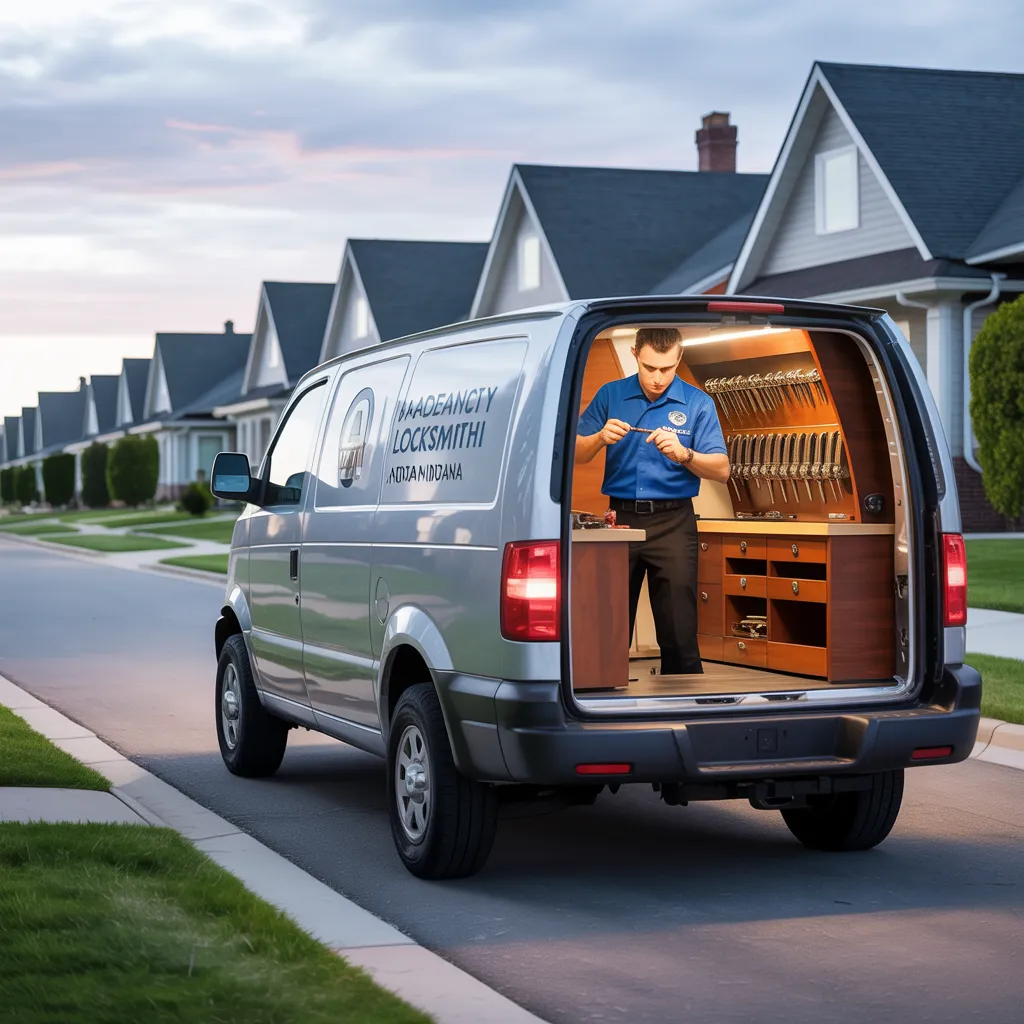
Why Rekeying Is Crucial for Your Home's Safety
Rekeying is crucial for enhancing a home's safety, especially when there are worries about unwanted entry. This process involves changing the internal configuration of a lock, rendering old keys useless while providing new keys that work seamlessly. Residents commonly face scenarios where prior keys might still be accessible, such as after a move or following a key loss. By completing the rekeying process, they confirm that only reliable individuals have entry to their residence.
Additionally, rekeying serves as an affordable option compared to replacing whole lock systems. It not only strengthens security but also offers peace of mind. Professional locksmiths can quickly perform this task, often within a single appointment. Periodic rekeying can serve as part of a homeowner's protective routine, responding to changes in household arrangements or security demands. Ultimately, prioritizing rekeying contributes considerably to a home's overall security strategy.
When to Consider Rekeying Your Locks
Homeowners should consider rekeying their locks in various situations to maintain security. One common scenario is when they move into a new home; former residents might still possess a working key. Similarly, after a divorce or breakup, rekeying can help guarantee that an ex-partner cannot enter the property. Additionally, if a key is lost or stolen, it poses a significant security risk, making rekeying a prudent choice.
In cases of frequent lockouts or if a lock mechanism is showing signs of wear, rekeying can also be beneficial. Property owners might consider rekeying as part of regular security improvements, especially if they are integrating advanced security systems. Finally, if there are concerns about unauthorized duplication of keys, rekeying delivers much-needed reassurance. By addressing these situations promptly, homeowners can improve their overall security measures and ensure their property remains well-protected.
Understanding How Rekeying Works: A Simple Overview
Modifying the internal components of a lock can significantly improve security without the need for a full replacement. The rekeying process involves modifying the lock's internal pins and springs to produce a new key that works the lock while rendering the old key useless. The procedure starts by disassembling the lock cylinder, where the current pins are taken out and substituted with new ones of varying lengths. Each pin corresponds to a specific height on the new key. Once reassembled, the lock can only be opened with the newly cut key. The whole process generally requires less time than a full lock replacement and is often more cost-effective. Furthermore, rekeying enables homeowners to keep their existing locks while enhancing security, especially after losing a key or moving into a new home. This method provides peace of mind without the expense and effort of a complete lock replacement.
Tips for Choosing the Right Rekeying Service
Choosing the best rekeying professional can substantially influence the reliability and dependability of the security upgrade. When selecting a professional, it is critical to consider the provider's reputation. Checking online feedback and gathering suggestions from reputable individuals evaluation can assist in finding dependable experts.
Additionally, confirming the credentials and experience of the locksmith is important. A licensed and insured locksmith typically guarantees a higher level of service. It is equally important to ask about the tools and techniques they employ, as current practices can strengthen security.
Transparency in pricing is another important factor; a reputable service will provide clear estimates without hidden fees. Furthermore, evaluate the scheduling flexibility of the locksmith. A locksmith who offers flexible scheduling can address urgent needs promptly. By considering these standards, homeowners can make a confident selection, guaranteeing their rekeying concerns are resolved thoroughly and reliably.
What to Anticipate When Paying for Rekeying
When assessing the price of rekeying locks, individuals should be informed about the several aspects that influence costs. These can include the intricacy of the lock mechanism and the available local services available. Knowing these aspects will support an educated choice and planning accordingly concerning costs.
Understanding Rekeying Costs
Understanding the pricing related to rekeying locks is crucial for property owners who value safety and ease of use. Typically, rekeying services cost between $20 to $50 per lock, based on the locksmith and geographic area. This fee may increase if multiple locks require service or if complex locking mechanisms are included. Residents should also account for possible travel charges if the locksmith is expected to travel a significant distance. While some individuals may opt for DIY rekeying kits, working with a professional locksmith confirms the job is completed accurately and safely. At the end of the day, choosing professional rekeying services not only strengthens protection but also delivers confidence, making it a valuable investment for all residents.
Factors Affecting Pricing
Several factors influence the pricing of rekeying locks, making it important for residents to be familiar with what to expect. Initially, the lock type plays a significant role; premium locks often require specific tools and professional skills, leading to greater pricing. Additionally, the amount of locks to be rekeyed directly affects the final expense; having numerous locks rekeyed typically brings volume savings. Labor costs can fluctuate according to the service provider and geographic location, with city locations generally having higher rates. Lastly, if additional services, such as after-hours or urgent rekeying, are necessary, these can further increase expenses. Homeowners should obtain multiple bids and consider these factors to prepare adequately for lock rekeying services.
Regional Service Selections
Nearby service choices for rekeying locks can differ significantly, providing homeowners with a range of choices suited to their specific requirements. Numerous neighborhood locksmiths provide on-site services, permitting specialists to arrive at the property. This benefit commonly encompasses same-day appointments, which proves valuable for time-sensitive needs. Costs can vary based on the intricacy of the locks and how many keys are required. Property owners can anticipate clear quotes prior to service starting, often including a breakdown of labor and materials. It proves beneficial to review area testimonials and qualifications to confirm trustworthiness. Furthermore, certain home improvement shops provide rekeying as another option, which may be more budget-friendly for those comfortable with DIY projects.

Premier Local Rekeying Services Near You
Locating dependable rekeying services can significantly improve home security. Local locksmiths often provide specialized rekeying services that cater to various needs, from domestic residences to commercial properties. It is essential to consider client feedback and ratings to find reliable experts.
A large number of communities have locksmiths available 24/7, ensuring quick access to professional rekeying assistance in emergencies. A number of well-established businesses supply mobile services, permitting technicians to respond to the customer's address without delay. Moreover, local hardware stores may offer rekeying kits for DIY enthusiasts, though hiring a trained technician is suggested for best results.
Furthermore, community suggestions can result in finding lesser-known professionals that may not have a strong online presence. By comparing available professionals and searching for experienced locksmiths, residents can ensure their rekeying needs are fulfilled quickly and competently. Pursuing these actions can bring about improved peace of mind regarding home security.
Common Questions and Answers
Is It Possible to Rekey My Locks on My Own, or Should I Call a Professional?
Rekeying a lock is something individuals with experience in the process can attempt, but hiring a professional guarantees proper handling and security. Evaluating one's abilities against the possible risks frequently results in improved outcomes when professional help is sought.
How Long Does the Rekeying Process Typically Take?
The rekeying process usually takes approximately 15 to 30 minutes per lock, based on the complexity and the technician's experience. A skilled professional can ensure accuracy and efficiency, reducing the likelihood of issues during the process.
Will Having My Locks Rekeyed Void Any Existing Warranties?
The process of rekeying locks generally does not void warranties, as most manufacturers allow this process. Nevertheless, it is recommended to carefully examine the warranty terms or speak directly with the manufacturer to confirm compliance and steer clear of unintended complications.
What Equipment Do Professionals Use for Rekeying Locks?
Experts typically employ tools such as a rekey kit, precision screwdrivers, pliers, and a cylinder plug follower. These instruments aid in disassembling the lock, swapping out the pins, and ensuring proper functionality once the rekeying process has been completed.
How Often Should I Consider Rekeying My Locks?
Experts recommend changing lock combinations on a regular basis or right away following a key going missing, relocating to a new property, or experiencing a security breach. Regular rekeying enhances safety and guarantees only authorized individuals are able to enter the property.